 I just returned from a wonderful trip to Alaska. To be honest, I wasn’t expecting to be impressed since I have seen other glaciers and fjords in more spectacular locations (like Greenland, Norway and Antarctica). It is true that the Alaskan scenery may not quite live up to the other destinations, but it is spectacular scenery, nonetheless. Plus, there is very little jet lag to visit Alaska (only an hour for me) and the flights are much shorter ☺ Cruises to Alaska leave and end from several different ports. My cruise started in Vancouver, Canada and ended in Seward, Alaska on the Kenai Peninsula. These were all new destinations for me. I spent 3 nights in Vancouver before my cruise and the area has a lot to offer. I was able to walk to Stanley Park and see the Totem Poles, take a nature cruise to see seals and eagles, visit some of the museums and eat several great meals (including a famous Honey Dip donut at Lee’s in the Granville Island market...photo below to entice you). I stayed at the Fairmont Waterfront and it is right across the street from the cruise terminal. Guests staying there can even have the hotel transfer their luggage directly to the cruise ship. You drop it off at the bell stand and see it again in your stateroom on board. This is a wonderful service and is complimentary (a gratuity for the bell staff is greatly appreciated). I have a great relationship with this hotel and can offer you complimentary perks for booking with me. I sailed on Silversea’s new ship Silver Nova. This was one of the largest cruise ships I’ve sailed on with about 700 guests. However, by cruising standards, this is still a very small ship. Silversea is known for excellent service and the guest to staff ratio is nearly 1:1 and every guest has a butler (even the lowest category of room has a butler). The staterooms are large and well appointed---even the entry level classic verandah suites. My bathroom was huge and had double vanities and a large shower with a bench to sit on. Some staterooms also have a bath tub. The balcony (also called a verandah) had enough room for a small table and two chairs AND room to walk around and take photos. This is a great space to have in a destination like Alaska where there are long hours of daylight and stunning scenery every day. The cruise started with a day at sea---it is a long journey from Vancouver to the first port stop of Ketchikan. Silversea offers a wide variety of excursions and I chose to kayak in Ketchikan. Ketchikan is the wettest city in America and they get over 13 FEET of rain each year. The way I kayak I typically get wet anyway…..so I figured that was a good activity if it did rain ☺ The weather cooperated and we only got a few sprinkles and had a wonderful time enjoying the pristine waters. We even have a few playful seals follow us and we saw about a dozen eagles. Our next stop was the capital of Juneau. I walked into town and saw the state capital, governors mansion and some of the older churches in an easy walk from the port. My main excursion to the famous Mendenhall Glacier wasn’t until the afternoon. This was my first helicopter ride ever and this was a great way to start. The heliport is a short drive from the port and the helicopter ride to the glacier is about 20 minutes with the scenery getting more spectacular with each moment. My excursion allowed me to land on the glacier and take a short walk. You are provided with boots to place over your shoes with spikes on the bottom for traction on the ice. I felt like a small little dot on this huge glacier….it really is impressive, both from the air and on the ground. Small little streams of water run through the glacier and you can lay on your belly and take a sip. You fly out the way you came in, but the perspective is looking out at the green trees and ocean on the way back…still pretty stunning. The next stop was Skagway and I was scheduled to go on the White Pass Railway. Skagway had a large landslide last season and it closed the main pier where cruise ships dock, so now every ship has to use tenders. Tenders are smaller boats that hold about 50 people that bring you from the ship to shore. They are enclosed and fairly comfortable, but it can be a bit logistically challenging to get everyone off the ship in time for excursions. There were hundreds of people going on the train and while the staff kept saying not to worry, I can tell my looking at the time that my group was not going to make the train. Sure enough, by the time we made it to land, the train was long gone. Silversea offered guests the option to go on a later train that left about 1.5 hours later. I decided it was a beautiful day and that I would prefer to be outside. Skagway has a couple of hiking trails right from the middle of town. I took a trail that took me up to a lake and the trail went all the way around---it was a nice way to spend a few hours. Our last port stop was Sitka and I had already planned to hike here. I hired a guide to take me into the Tongass National Forest---this was another trail that you can join right from the town center. The national forest has a large amount of biodiversity and is a nice place to explore--- Iwish I was there in the berry season as there are several kinds that grow right along the trails, but I was a few weeks to a month early. I did see a baby banana slug. Not exactly the same as seeing a moose or bear, but it was something different. The next day was scenic sailing at the Hubbard Glacier. Many Alaskan sailings have a day like this. People can get confused as the glacier is listed as a port, but you aren’t able to get off the ship. The ship gets as close as it can safely to the glacier, so you can appreciate the colors, size and the loud noise of calving (when pieces break off the glacier and fall into the water). We had about 10 calving events that day---by the time you hear the noise, the ice is already in the water. We spent about an hour at the glacier. The staff turns it into an event---if you choose to come out to the top deck for a head on view, there is hot chocolate, glühwein, coffee and snacks. We arrived at the glacier around 9am, but the glacier scenery (meaning when there started to be small little icebergs) started more like 7:30am and we weren’t back out to open ocean until around 11:30am, so it was a full morning of scenery. My sailing ended in Seward which is on the Kenai Peninsula—about 2.5 hours by car from Anchorage or about the same amount of time by scenic train. I decided to spend a few nights after the cruise to explore this area. The Kenai Peninsula is a popular destination, but it sees only a small fraction of the travelers that Denali National Park does. I liked the idea of smaller crowds. I rented a car for one day to drive across the peninsula to stop at places like Cooper Landing and Kenai. Kenai is about 3 hours from Seward each way. I only rented the car for 1 day for a couple of reasons---first, Seward has a great free shuttle service that takes you around town throughout the day and second because the rental car was crazy expensive at about $300 for 24 hours! This is going rate and later in the season it isn’t uncommon to see even higher prices. If you don’t need to explore on your own, you can join a day tour. I enjoyed this area and saw Exit Glacier, saw a moose walking along side the road early in the morning and had one of the most eventful whale watching tours I’ve ever been on. We saw a pod of humpback whales bubble net feeding. It is a technique for surface feeding….all of a sudden you see a large flock of birds as the water starts to churn and then boom, the whales surface with a mouthful of fish and breach. We watched this pod for a good long while as they moved from spot to spot. We also saw a lot of seals, sea lions, puffins, and eagles.
I really enjoyed my time in Alaska and can see why this is such a popular destination. Please contact me to get started planning on your own Alaskan journey.
0 Comments
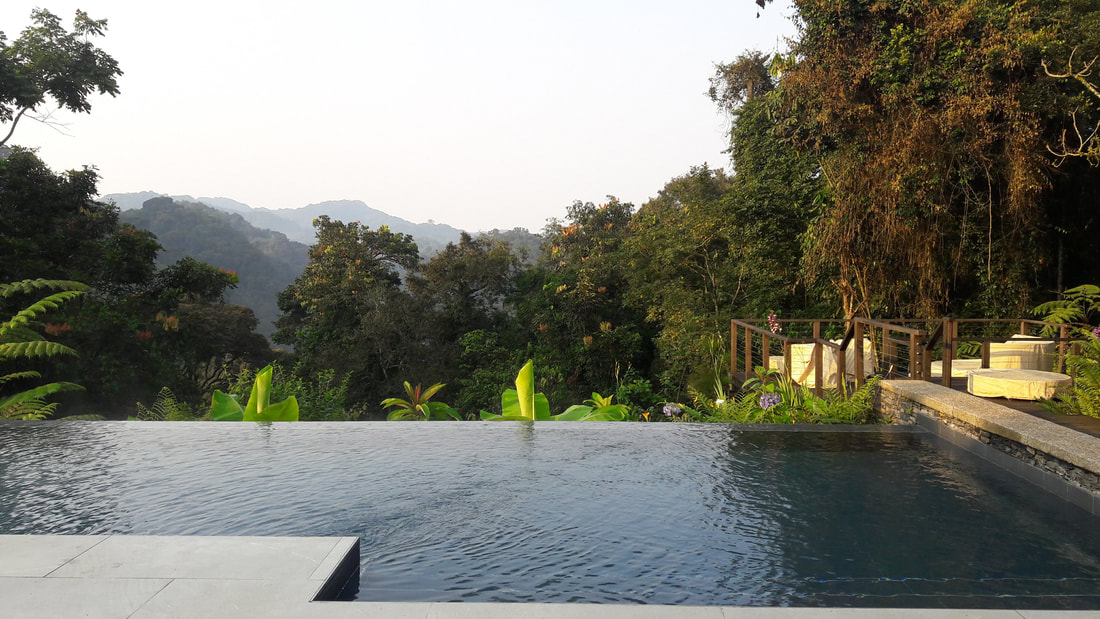 I have been looking at several “best” lists recently and decide to create my own. I have been traveling for many years and Unraveled Travel will turn 10 years old next year, so I have plenty of options to choose from :) I'm happy to plan your stay at any of these beautiful properties. Photo above is from One & Only Nyungwe House. These are listed in no particular order….. Borneo: Borneo Rainforest Lodge I traveled to Borneo to see the Orangutans and I eventually did see them in a different part of Borneo, but even without seeing one at this location (it rained the whole time….) this was still a magical stay for me. As the name implies, you are right in the rainforest and it is a journey to get here, but once you do…. you feel a million miles away from the world. There are several types of accommodation and I stayed in a villa. Guided walks and meals are included in most stays. One thing you absolutely need to pack are leech socks (or purchase them at the lodge). France: Hotel Chais Monnet and Spa This property is in Cognac which is a relatively undiscovered area (when compared with nearby Bordeaux). The drive from Bordeaux is filled with vineyards and there are several tasting houses close to this property (the concierge can arrange tours and tastings). The hotel is a mix of new and old and you feel like you are in Cognac with all of the local touches (and a huge selection of cognacs at the bar). You don’t need to enjoy cognac to enjoy this area or this property. Rwanda: One and Only Nyungwe House Everyone thinks mountain gorillas when they think of Rwanda and the One and Only Gorillas Nest property is beautiful, but the Nyungwe property really took my breath away. It is located on a working tea plantation and near the national park when you can trek to see chimpanzees. This peaceful property has wonderful food (they have many gardens on-site) and I saw more species of primates from my balcony at this property than I did hiking in the national parks. Peru: Belmond Sanctuary Lodge The main reason to stay here is that you are literally a 2 minute walk to Machu Picchu and you can often see the citadel from the property (when there aren’t heavy clouds). Sanctuary Lodge is a boutique property and feels very exclusive. To be honest, the rooms aren’t anything special, but you aren’t spending much time there. Included with your stay is a Pisco Sour making class at the bar accompanied by a potato tasting (trust me…these aren’t your typical potatoes!). Germany: Ritz Carlton Berlin I love Berlin and this property is in a great location. The staff here take care of your every need with a smile and the rooms are quite large. There is a champagne ritual each night (included with your stay) and the breakfast buffet is one of the best I’ve had. If you want to go running, one of the staff will run with you (sometimes even the general manager). Belize: Turtle Inn Placencia This is one of several properties owned by director Francis Ford Coppola and is in a beautiful area of Placencia. This is the quieter beach area of Belize (much smaller and quieter than Ambergris). The accommodation is in a thatched building with an indoor/outdoor bathroom. Turtle Inn is small and right on the beach. You feel like you are family as soon as you arrive. The property was fostering a stray dog and he was part of the welcoming committee….and those of you that know me, know that any property that supports animals wins my heart (and my business). South Africa: Chitwa Chitwa This is the lodge where I went on my first safari in 2014 and got me hooked. The property is right on a watering hole and there are frequent animal visitors---I saw elephant, leopard, hippo, kudu, and crocodile without ever leaving the lodge. There are large windows in the bathroom and I will never forget seeing hippo walking right past the windows while I was in the bath tub. The food is excellent as are the guides and trackers. Columbia: Casa San Agustin This property is right in the center of Cartagena and is historic---with many modern upgrades on the inside. We had a balcony and could watch the world go by from the peacefulness of our room. The food and drink menu is excellent---especially for non-alcoholic cocktails (I loved a cherry, lime and seltzer combo). The bed was one of the most comfortable that I have ever slept on. Italy: Forestis This property is bit trendy at the moment (Justin Bieber stayed here about a year before I did) and that isn’t usually my scene, but it is trendy for relaxation and immersion in nature which is my scene. You absolutely need a car to get here and explore the area if you plan to stay for several days….or you can stay and be present in the moment. The views are gorgeous and I saw multiple rainbows one afternoon (including a double rainbow that lasted almost an hour). Most rates include breakfast and dinner and the food is excellent and they are known for accommodating every dietary requirement. Taiwan: Regent Taipei This property is in a great central location in Taipei and I stayed on the club level making the large hotel feel much more boutique. I asked for a few vegetarian restaurant recommendations from the concierge staff in the lounge and when I came back from exploring, she had created an elaborate handwritten package with several suggestions with directions and menus. Going that step above instead of just giving me website links shows the focus on details here. The breakfast buffet had items from all over the world. These are two client favorites. I haven’t stayed at either property yet, but hope to soon.
Italy: Hotel Brunellechi This hotel is right in the center of Florence (many rooms have views of the Duomo) and was constructed using several historic buildings. I have a great relationship with this hotel and you will be treated as a VIP if you book your stay with me. Ireland: Sheen Falls Lodge This property is close to Killarney but set on the Wild Atlantic Way. There are many on-site activities to keep you busy or you can relax and simply enjoy the views of Kenmare Bay. This is a Relias and Châteaux property, so you know that the food and drink are a priority. You will also be treated like a VIP here as well if you book with me. 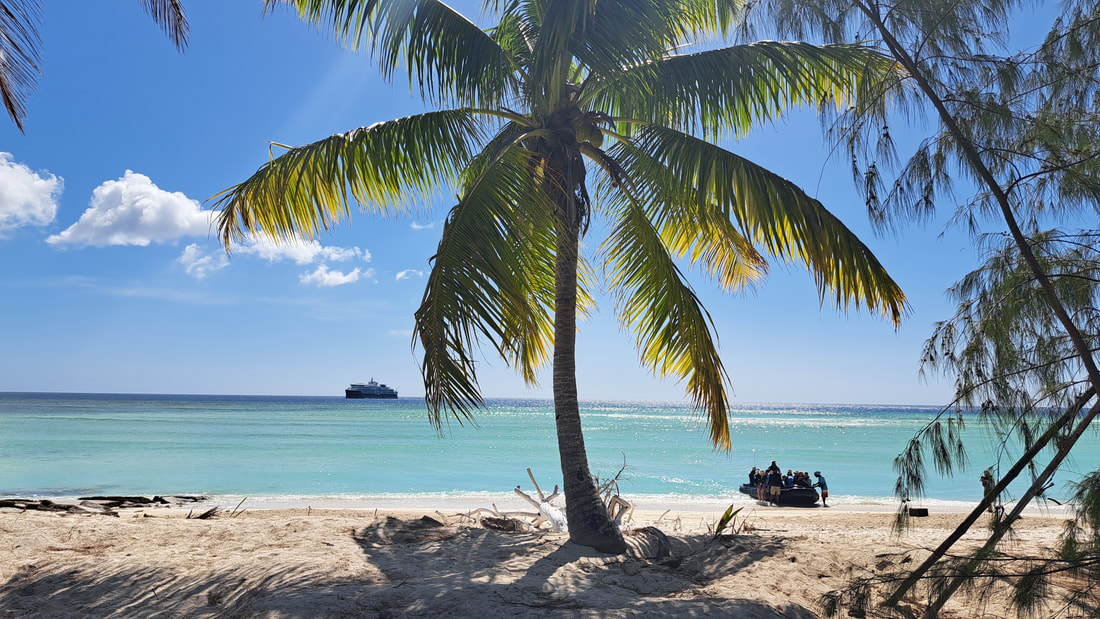 I had the pleasure of sailing on the SH Diana from Mombasa, Kenya to Maputo Mozambique. If you are reading this and have never heard of either port, you are not alone :) This sailing appealed to me because it took me places off the beaten path….for some ports, really off the beaten path. Swan Hellenic’s name has been around for decades, but investors purchased it during COVID and created an expedition focused cruise line. The ships are brand new and were built with expeditions in mind---meaning it is easier to get on/off zodiacs, the stability of the ship is better than many ships and common spaces are built for expedition style activities. You might ask what is an expedition sailing? There isn’t a perfect definition, but it typically means that you are visiting ports that are off the beaten path and that the port is the destination. Most people on expedition ships leave the ship each day it is in port and explore or go on an excursion. The ports often don’t have huge piers or docks, so the ship often has to anchor offshore, and you have to take a tender or Zodiac to your destination. This means that sometimes you get wet and that you need to be fit enough to get into and out of small boats---the staff assist you, but this isn’t the sailing for people with severe mobility challenges. The guests on board are generally well educated and interested in the culture, animals and nature of the destinations. You for sure have the opportunity to bring out your inner science geek during these sailings, but there are plenty of other things to do if that doesn’t interest you. The ship is functional, but it is also beautiful. The staterooms are some of the best thought out ones I’ve seen. There is a lot of storage in the rooms---from the closest, to cabinets, drawers and shelves located around the room. The desk area also has a flip up make up mirror so it could double as a vanity. There are also several electrical outlets----both the American 110V style and European 220V style. Many staterooms also have electric fireplaces which are perfect for the polar and Arctic expeditions (not so appropriate in Africa, but no heat escapes, so you could still enjoy it if you wanted). The ships travel around the world and seldom repeat an exact itinerary (except in Antarctica). This allows you to stay on board for one segment like I did (11 days) or stay on for several segments. Some of the guests on board with me were sailing for 21 or 30 days. However, this also means that if you want a specific itinerary, you need to book quickly. The sailing I was on won’t be repeated until next fall and there are already a few changes in ports. I chose this itinerary because it had 4 stops in Madagascar. I’ve always wanted to visit there…especially to see the lemurs which can only be found in Madagascar. It can be a challenge to get to Madagascar by air and travel between cities can be complicated, so a cruise made perfect sense. I got to see several different areas of the country with no effort on my end. I also liked this itinerary since we visited some of the remote outer islands of Seychelles. One port only has researchers living on the island and there is more tortoise there than in the Galapagos. I had never heard of it before I saw it as a port of call listed on this sailing. Very few people can say they have visited Aldabra (and Assumption) and it was a unique and memorable experience. Swan Hellenic includes at least one excursion per day in the price of the cruise (for most sailings). The on-board experience is nearly all-inclusive. The cruise fare includes one night of hotel before the cruise, all of the restaurants on board, most alcoholic and non-alcoholic drinks, room service, Wi-Fi and staff gratuities. Spa treatments, ultra-premium alcohol and optional excursions are at an additional charge.
I would love to help you plan your next expedition sailing. Please contact me to get started. 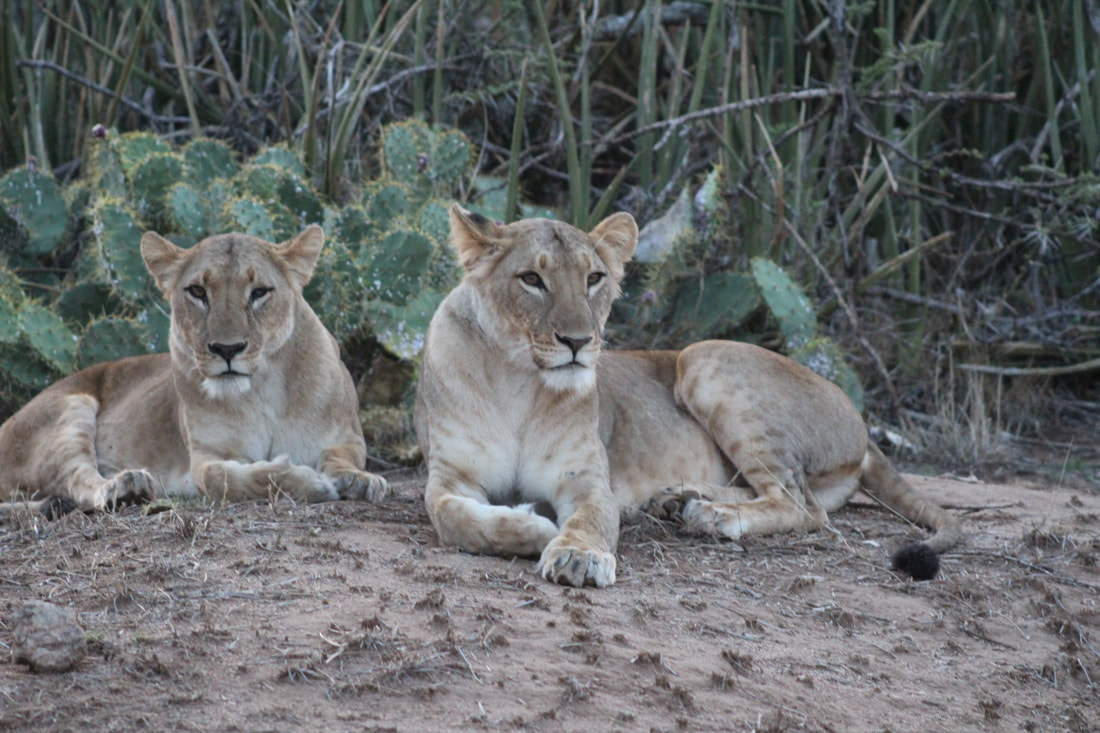 I recently had the pleasure of visiting Africa for the fifth time. I booked a small ship sailing on a Swan Hellenic from Kenya to Mozambique and I decided to make the most the most of my trip in Africa. I won’t lie…it is a long trip from Arizona to Africa, but it is always worth it :) This trip started with a quick overnight in Nairobi before I headed out for safari. Kenya has many areas where you can go on safari and the best way to reach most is by small aircraft. The planes typically hold between 8 and 12 people and the schedules are decided the day of travel. For example, I was going to Loisaba and my ticket simply said Nairobi to Loisaba…if enough people were going to Loisaba, the flight might have been non-stop. On my flight, I was the only one going there, so I had to fly to Mt. Kenya and switch planes and make one other stop before arriving at Loisaba. Travel in Africa often requires some flexibility and patience. All in, I only arrived about one hour later than originally scheduled. I chose safari lodges that focus on sustainability and have good relationships with the surrounding communities. The first safari camp, Loisaba Tented Camp, is part of the Elewana Collection. Elewana has properties in Kenya and Tanzania and have an excellent reputation for responsible tourism. Elewana is the only safari company with properties in Loisaba (there are 3) so it feels like you are almost alone with the wildlife on the safari drives. I chose to have a private guide and vehicle for my game drives. This means I could choose exactly when I wanted to leave for the drives and when I wanted to return. I had the option to come back for breakfast or eat breakfast out in the wild. Private game drives come at a supplement, but especially if you are traveling with other people, the price is very reasonable. Having your own guide also means you can ask questions as often as you like or ask to search for animals that you are very interested in seeing. I recommend that clients stay in private conservancy areas for safari. Private conservancy areas are managed to limit the impact of travelers on the wildlife. The areas are restricted to guests staying at lodges located in the conservancy and different rules apply when compared to staying outside these conservancies. For example, vehicles can go off road to get closer to wildlife in most conservancy areas, but once an animal is spotted, the number of vehicles allowed at the sighting is often very limited (usually to only 3 to 5 vehicles). This allows the animals have plenty of room to roam and be wild and they aren’t as stressed as when unlimited vehicles are allowed. A portion of the funds you pay for safari are also funneled back into protecting the animals and land in the conservancy. In Loisaba Conservancy, there are several different types of terrain, and it is common to see many of the typical safari animals, except for rhino. Rhinos are endangered and their numbers have been depleted in East Africa. Loisaba has been working with scientists to develop a rhino re-introduction program for years and rhino are expected to be released here in the coming months. This is a major development in conservation. One reason Loisaba was selected for this program is they have an excellent anti-poaching unit. The anti-poaching until was so successful that no animal has been poached here in over 7 years----poachers know they will likely get caught and it isn’t worth the risk. The unit still monitors the conservancy, but now also works with the local communities to help when there are crimes or cases of missing people. The same skills that allow the dogs to track poachers are used to find others. Giving back to the community gives community members incentive to protect the conservancy and its wildlife---which ensures more tourism dollars. 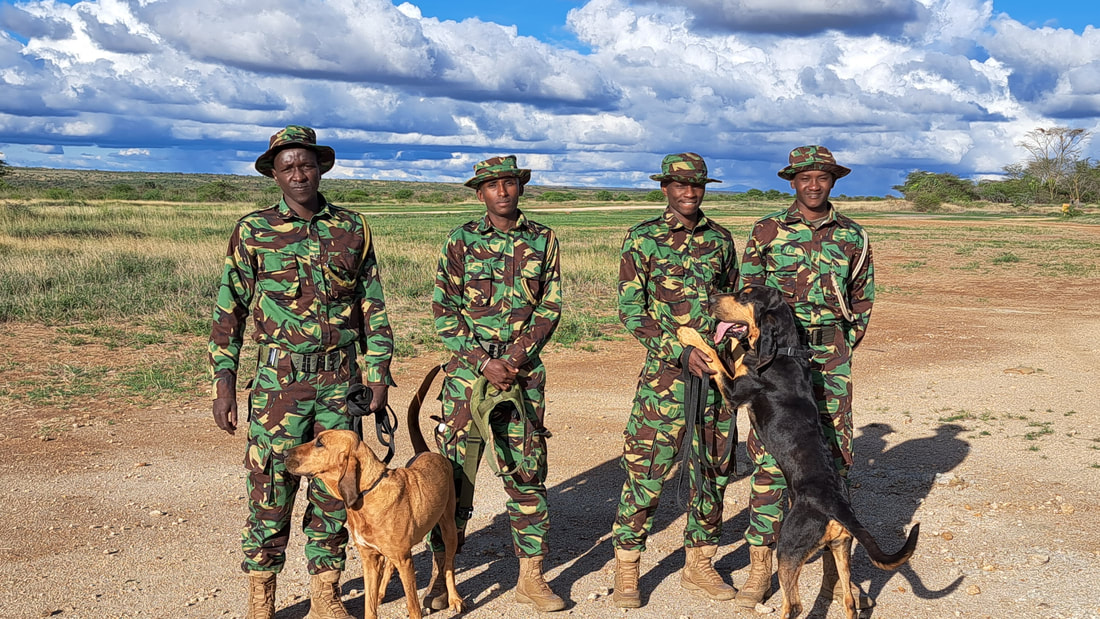 After a few days at Loisaba, I head to the famous Masai Mara. I board a plane at the same small airstrip where I arrived and this time there are already many people on board, so we head directly to the Masai Mara. The Mara is large enough that there are multiple airstrips---my lodge is closest to the first stop. For this part of the safari, I stayed at Great Plains lodges. Great Plains Conservation is also a leader is sustainable tourism and they have lodges in Kenya, Botswana and Zimbabwe. I split my stay between Mara Expedition Camp and Mara Plains. I like to experience as many camps as possible to help me select the best camps for my cleints. I started at Mara Expedition Camp and my guide took me to the main part of the Masai Mara so I could see the differences between this area and the conservancies that Great Plains has access to in the area. I immediately saw large herds of impalas, zebra and gazelles in the plains and the scenery is beautiful. However, as we drove around the area, we could see safari vehicles essentially racing all in one direction from time to time. I asked my guide what was going on and he said, there was an animal sighting and the guides all heard on the radio and were heading there. He took to my one such sighting---this was a leopard eating his kill in a tree. I was shocked at the number of safari vehicles there. There were literally rows of vehicles going 5 and 6 rows deep from the tree and I stopped counting at 30 vehicles. Some people had their huge cameras out and were trying to get photos and other people took this opportunity to have drinks and snacks and chat (all while still in the vehicle). The whole scene was like a circus. The leopard was stressed and stopped eating. I asked the guide to leave within just a couple of minutes. Later that evening, we saw a lion at a distance and there were also 20+ vehicles pulled off the side of the road trying to get a peek at the lion. Because of park regulations, vehicles can’t go off road to get closer to the wildlife and while I was disappointed to only see the lion through binoculars, I was happy the restrictions were in place as I imagine wildlife would find it difficult to simply exist if literally a hundred or more safari vehicles were chasing them each day. In contrast, the next morning we drove (I again chose to do a private game drive) to Mara North Conservancy and it was probably more than an hour before we saw even one other safari vehicle (and had seen quite a bit of wildlife). This lack of competition also allowed me to just sit in silence at times with the animals----we were near a giraffe and I sat there and listened to her chew for several minutes. Perhaps not the most exciting thing it the world, but it was really exciting for me as I love giraffes :) Since I was changing lodges, we decided to have breakfast out in the bush and then head back to the new lodge for lunch. I love every minute I’m on safari, but I will say after several hours of the “African massage” the sweet term often used for all of the bouncing around on the unpaved roads…it is nice to have a little break. It is important to let me know if you have any back or neck problems as there are some safari areas that are kinder to your body than others. Mara Plains is a beautiful property and you fall asleep (or sit straight up in bed in the middle of night) with sounds of the hippos and other wildlife. There is a small river right at the property which is why there are nearly always hippo. This is one of the few Relias and Châteaux safari properties in the world—I believe there are 3. This distinction means the food and beverage served here is as good as the wildlife viewing. The photos below show each of the 3 lodges. During safari, you typically go for a morning game drive (as the sun comes up) and an afternoon game drive (a couple of hours before sunset). Each game drive is different even if you go on the same route (which doesn’t happen often). Some game drives you may see a ton of wildlife and other game drives the animals may be hiding. Going on safari is not like going to a zoo---there are no guarantee you will see anything, but in areas where conservation is a focus, the animals are mostly thriving which means you have an excellent chance of seeing wildlife. Even if you don’t need or want to stay at a luxury safari lodge, the guides at the luxury lodges tend to have the most experience and knowledge and this translates into better wildlife viewing for you. The experienced guides also know how to approach wildlife in the vehicles with minimum impact on the animal….and they have good instincts where the animals might be if they aren’t out in the open.
I hope this post has inspired you to consider a trip to Africa. I am happy to help you plan your safari. It is truly a memorable experience! I will continue with the rest of my trip in my next blog post. 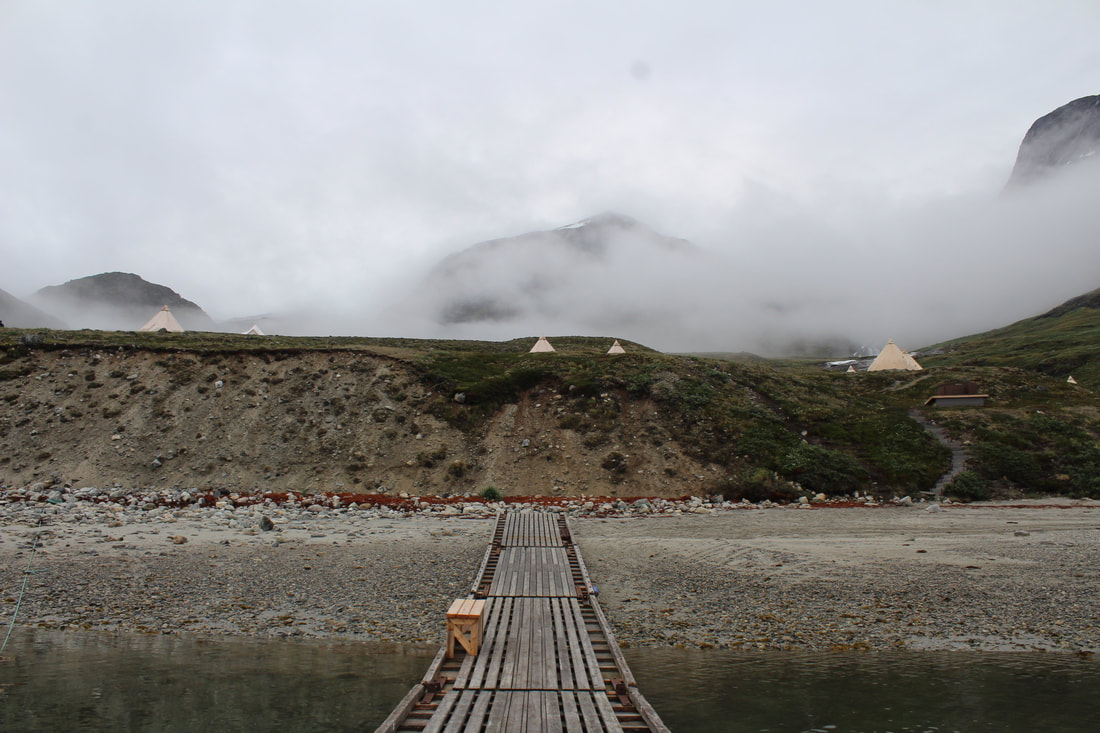 I just returned from a wonderful stay in Greenland with Nomad Greenland. They operate sustainable "glamping" camps that give you a true feel for being in Greenland. My experience began when my host Inuuteq picked me up at the airport from my late evening flight from Reykjavik. At the moment, flights to Greenland leave from Denmark and Iceland--I chose Iceland because of the non-stop flight to Nuuk. Inuuteq is a native Greenlander and he served as my guide for the entire stay. I felt like I'd make a friend right away and we chatted about everything from the logistics of the trip to life in Greenland to world politics. After a short drive, I arrived at the hotel in Nuuk and spent a quick overnight before heading to the boat around 10am the next morning. The weather wasn't the best and due to fairly strong winds, I was transferred using what is called a closed boat. The differences in the boats are simple---one is closed to the elements and the other is a RIB boat and you are completely exposed to the elements (for better or worse). In a closed boat, it takes between 1.5 and 2 hours to get to Kiattua camp. We didn't see one other boat after leaving the Nuuk harbor and the closer we got to camp, the more ice we saw. If you weren't paying attention, you would drive right by the camp. There really isn't a reason to be hidden as so few people come to this area, but I do appreciate the thought that went into making the camp blend into the surroundings. The welcoming committee, including Gin the dog, met me on the dock and I walked up to the camp to see where I would be spending the next 4 days. The camp is very comfortable. Currently the camp can accommodate about 12 guests at a time, but they limit the number of separate guests at 3---meaning if 3 single people are traveling alone, the camp would be full with 3. Or 3 couples would make the camp full at 6. I shared the camp with 2 other families for my first 2 nights---the kids were older (16+ years old)---and enjoyed how the meals are served family style to encourage conversation. Kids of all ages are welcomed at the camp. The last night, I was the only guest. The tents are private and have a real bed and a chair. You also have a private bathroom tent, but that is a few steps away from your sleeping tent. New this year are flushable toilets which is a little crazy considering how remote the camp is---but it is a nice perk. The staff turned on the bed and room heaters while I was at dinner, so I was never cold in the tent. During the day, I only came into the tent to change clothes or perhaps take a quick nap after a long day of hiking. With views like these, I always wanted to be outside. The plan for your stay a camp is basically no plan :) I say this in the best possible way. This is not a trip where you can say at 10am you will hike and at 2pm you will kayak. The weather is the number one driving factor and do have to work within that constraint, but otherwise, you and your host can decide to do what you want pretty much whenever you like. My expectations were pretty simple---I wanted to hike and see icebergs. I accomplished that within an hour of arriving at camp. You can hike up to the waterfall right from camp. Hike perhaps isn't the right word though as there are no hiking paths---there are paths between the tents to help maintain the vegetation at camp as people are always walking back and forth, but outside the perimeter, you simply walk. I followed Inuuteq pretty closely as he knew where the holes were and which areas were swampier than others. To my eye, it was a beautiful blanket of green with a few sparks of color....very small flowers. I loved how when you brushed the vegetation, it brought up a wonderful smell. Staying at Kiattua stimulates all of your senses and makes the journey really memorable. I had all kinds of weather (except snow) during my stay and the scenery takes on a different feel with the weather. The clouds make it feel mysterious and the sun highlights all of the little details like the subtle color changes of the ice. I also visited during a time when it never truly gets dark---the sun sets around 11:45pm and rises again at 3am and in between is twilight. Sort of just like a really cloudy day. It is sort of eery, but gave me the impression of having more time. The first 2 photos below show the difference between a sunny morning and an after midnight twilight. I'm going to let the photos speak for themselves---this is random selection from my activities while at Kiattua, including some amazing food using mostly local Greenlandic ingredients. I would love to help you plan your journey to Greenland. Now is the time to visit to have this peaceful experience---starting 2025 the airport will be getting larger and more people will visit. Greenland is trying to be strategic to allow for travelers to visit while still keeping the environment, culture and beauty intact.
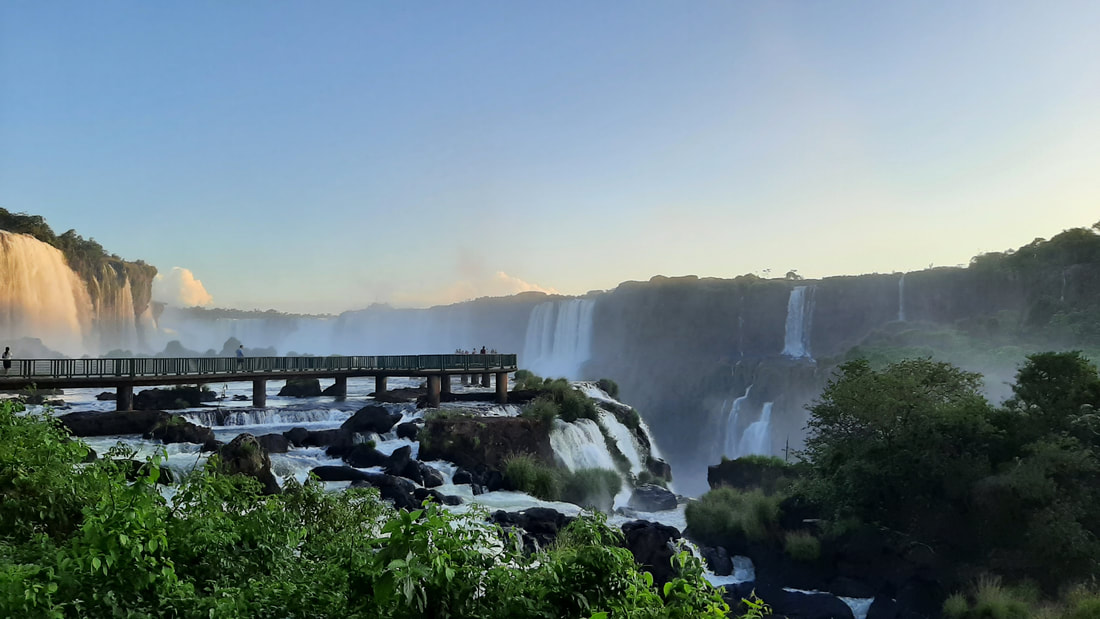 I think this photo looks like a postcard---it isn't....I got lucky with timing and light :) Iguazu Falls isn't one set of falls, it is more than 275 falls all located in one area on the border between Argentina and Brazil. I was shocked to see that there is only 1 non-stop flight per day to Iguazu from Rio and it is at a terrible time (late at night). Since the falls were one of the reasons I made the trip, I did the 1-stop flight. I arrived to Iguazu (the Brazilian side since I left from Rio) and was met by my driver. Most the hotels on the Brazilian (and Argentinian side) are outside of the park and you need to drive to get to the park. At the welcome center, you purchase an entry ticket and board a bus. Private cars are not allowed to drive in the park. I was staying at the one hotel in the park (on the Brazilian side). The Belmond Cataratas is a beautiful, historic building (that is pink) and guests can be driven through the park in a private car on arrival and departure. The hotel is literally steps from the falls and you can hear them when you arrive. The main perk of staying here is that you can experience the falls once the park closes to visitors---you are only sharing the large national park with the guests staying at Belmond. That exclusive access makes a huge difference! I went to the falls as soon as I arrived---around noon----and there were people everywhere. The observation walkway was one big traffic jam and you had to take a photo quickly in between people walking. Not very peaceful at all. I went back again that evening and saw more lizards than people. My second morning was even better---I had the park to myself for probably 15 minutes and only saw maybe 8 or 9 people in total. I will remember that experience and that tranquility forever. That is how I got the photo above (and others) with so few people in them. In the slideshow below, you see if with the typical crowds. Iguazu Falls isn’t one big waterfall---like I mentioned it is up to 275 separate waterfalls that change by the season. I found they changed even from morning to night, depending on how much rain fell at the falls or upstream. The whole Iguazu Falls area is large and really is spectacular. I love being in nature and this location did not disappoint. I stayed 2 nights and I think that was probably enough---one more night, however, would have given me a chance to visit the Argentinian side or go on an excursion.
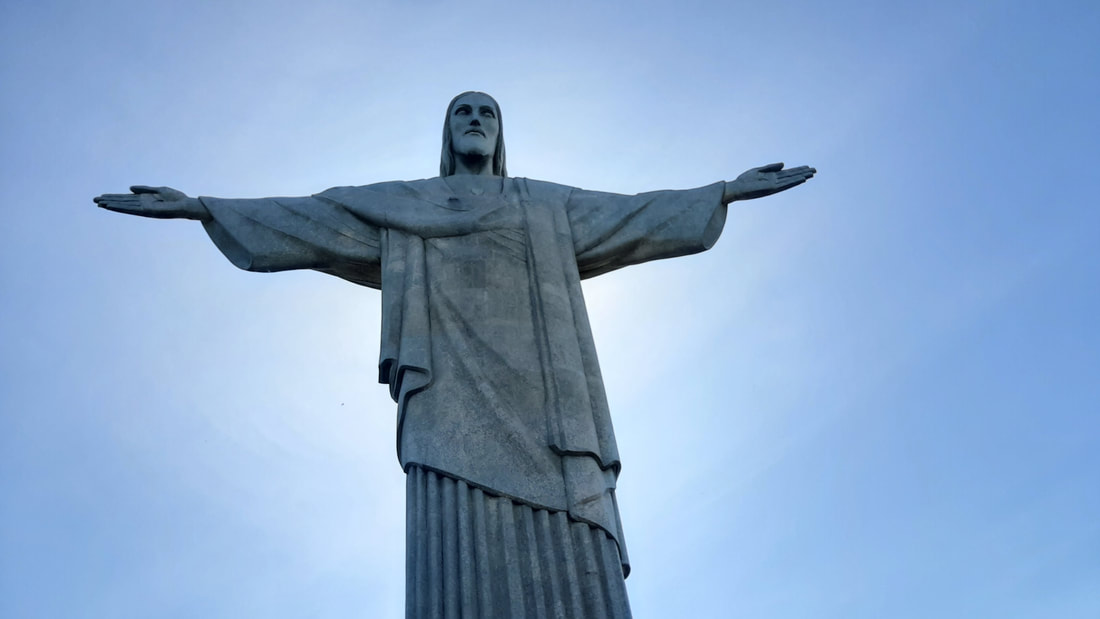 This was my first trip to Brazil and I sort of had an image of what I thought at least Rio would look like based on watching the Olympics and other TV shows. My perception was pretty far off. Rio surprised me---I was expecting more grit, more poverty and I guess more people in little bathing suits :) Yes, Rio has some grit, but it is also a beautiful city with forests and mountains and gorgeous views. I began my trip with a quick stop in Rio to see the main highlights---Sugarloaf Mountain (by cable car) and the Christ The Redeemer Statue. I also saw Santa Teresa---a cool little neighborhood not to far from the statue and had my first Acai. The drive up to see the statue was far more picturesque than I was expecting. Once we left the hustle of the city, the drive up was through a beautiful forest. We were maybe 25 minutes away from Copacabana Beach. Once you arrive at the welcome center for the statue (aka huge gift shop), the view overlooking Rio is beautiful…but once you take the bus ride up to the Statue itself the view is absolutely amazing and you have views in all directions. I knew the statue would be large as it seems so prominent in photos, but I was impressed by the massive size. This is for sure one attraction that lives up to the anticipation. You can’t really do anything at the statue other than admire the view, so the visit is pretty quick. They occasionally hold mass at the statue and have other special events….including rare opportunities to go inside the statue. We stopped in Santa Teresa on the way to Sugarloaf and it had a nice, artsy neighborhood vibe. You can see favelas on the hillsides, but this neighborhood has been gentrified. The favelas are also starting to improve with the addition of roofs on the structures and many times electricity and running water---still not adequate living conditions as most of us are used to, but they have improved in recent years. My guide took me to a little window and ordered me an Acai---the berry is grown in Brazil and is very fresh---most places don’t add anything to the berry---they just mash it.
One of many reasons to hire a private guide is flexibility. We were able to tailor the day to my schedule and I could see exactly what I wanted to see. The other benefit is they know the pulse of the city…..and the work arounds when you have lines that are miles long. We arrived at the Sugarloaf cable car station and there were easily hundreds of people in line. My guide walked me to the ticket office and said something in Portuguese. Apparently, there is an “off menu” VIP option---I looked at the posted sign after getting the VIP ticket and it isn’t listed anywhere. Normal admission is roughly $20 and for $40 you go up a special set of stairs into a lounge with A/C to wait for the next cable car. You jump the entire line. There are 2 segments of the cable car going up and 2 coming down----you also skip those lines. That was probably the best use of $20 ever! I saw the sunset over Sugarloaf and was ready for dinner and bed. I had arrived from the States at 1pm that day, started the tour at 2pm and it was 8pm. I asked to go somewhere I could do take out as I had to leave for the airport at 4am. The restaurant did one better and delivered food to my hotel. Portuguese food in pajamas. Crazy day, but well worth it. The next morning I flew to Iguazu Falls (there is a blog post just on that). After the falls I headed back for one more night in Rio. I got up the next morning and walked the length of Copacabana beach all the way to Ipanema. It took around a hour of leisurely walking to make it to Ipanema. I was hot and sweaty, and I knew as the morning progressed it would only get warmer, so I took an Uber back to my hotel. The vibe of the 2 beaches is very different and for some reason I thought Copacabana would be more touristy than Ipanema, but I found the opposite to be true. It seemed like more locals (some with their dogs) were on Copacabana and it seemed to be mostly tourists (with plenty of vendors) on Ipanema. I would say it is worth checking both out. 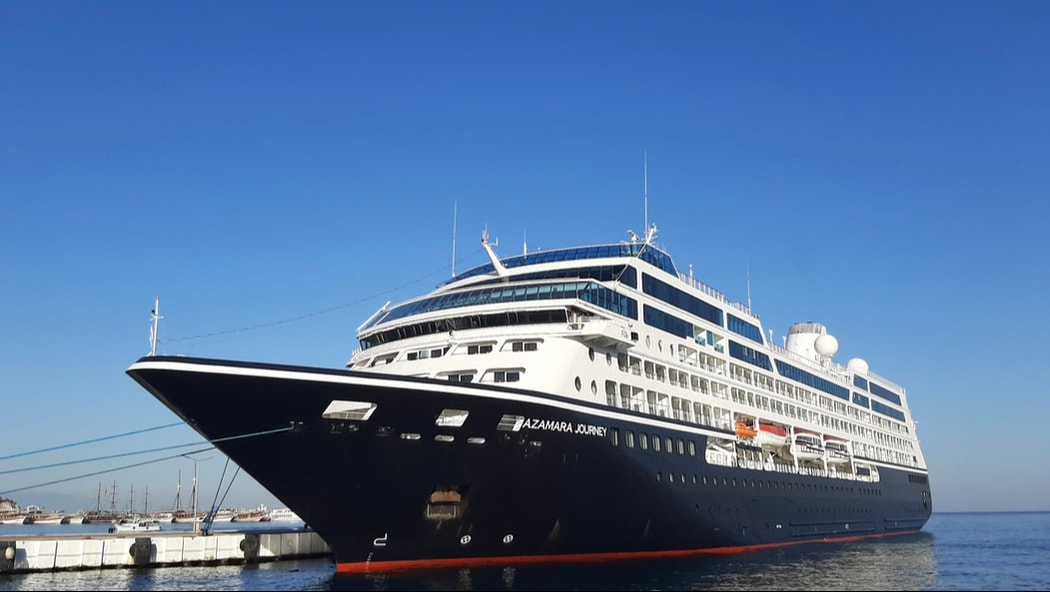 I had the pleasure of sailing on the Azamara Journey for 11 nights this September. The cruise started in Istanbul and ended in Piraeus (the port closest to Athens). Azamara is a premium cruise line with 4 ships--all holding about 690 guests. They are known for stopping at unique ports (Azamara is often times the only cruise line stopping at the port), staying longer in port (many days we didn't leave until 10pm) and having more cultural immersion on board. This was my first time sailing with Azamara and I was impressed. This sailing was a bit different in that the ship was only about 50% full---so the service we received was beyond excellent. The staff to guest ratio on this sailing was nearly 1:1 (even when full, the ratio is still close to 1 staff member for every 2 guests). This level of service is often only found on the highest end of the luxury market. Random staff members said "Good morning Tracey"....I was thinking, are they talking to me?? I chose this sailing for the ports of call. We started with an overnight in Istanbul, so even if you arrived the day of the cruise, you still had one day in the city to explore. There was only one day at sea and the other days we were in port---the earliest we left a port was 5pm and many days it was much later. This allowed me to take longer tours to get to places that were a couple of hours outside of the port and on the days where I was just wandering on my own, it allowed me to go ashore in the morning and then come back for a bit and then head out again. Since Azamara's ships are smaller, they can dock right in town---something the bigger ships can't always do. We had strong winds on the day we were supposed to dock in the first port after Istanbul--about 30 minutes before we were supposed to dock, the captain came on and said it just wasn't going to be possible. I knew this could happen---cruise itinerary ports are not guaranteed---but when it happened at the first port, I was disappointed. We had an unexpected day at sea and it was a gorgeous sunny day (albeit it a bit windy). I saw dolphins "playing" along the ship under my balcony and we passed close to some islands that had hundreds year old monasteries along the coast. Not ideal, but Azamara made the most of the sudden change. We made it to our next port as planned the next day. I was shocked when the captain announced that on our scheduled day at sea, we would actually go back to the port we missed. This doesn't happen often as it costs the cruise line money. I appreciated being able to visit all of our scheduled ports. As we all know, food is an important part of cruising :) I have been a vegetarian most of my life and Azamara had the most vegetarian friendly options of any cruise I have been on. I think having lots of local Turkish and Greek food on board helped the variety of options. There were gluten free, vegan and keto options at nearly every meal (buffet or menu). Of course there were plenty of meat and seafood options as well---especially at the speciality dining restaurants (a surcharge applies to these restaurants). The food was high quality and well prepared. There were always at least 3 options for each meal (including room service). There were also areas of the ship that served snacks during the day and the Living Room had late night snacks available until midnight (room service is 24/7, so no one goes hungry!). I enjoyed eating in Windows as you could eat outside for breakfast, lunch and dinner--I enjoyed several sunsets this way. The Sunday Brunch was also impressive---so many choices and it was perfect for a day when we didn't get into port until noon (Sunday was supposed to be the day at sea). The ship itself was well equipped. I enjoyed a massage at the spa one day and it was quite large for a cruise ship---and my massage was excellent. The fitness center had several treadmills, ellipticals, weight circuit machines and free weights. There were spinning, boot camp, yoga and stretching classes during the sailing and there was an open area where you could stretch or practice yoga on your own (all with views of the beautiful scenery). The pool area had plenty of seating and there were 2 hot tubs. The ship had several bars and areas where music was played in the evenings. The top deck had shuffleboard and a walking track. One of my favorite areas was the library and it was well stocked with books for loan. For the size of the ship, Azamara offered quite a variety of options to keep you busy on board. Azamara has a destination immersion event each cruise, along with a White Night---a large buffet and entertainment on the pool deck one evening later in the cruise. This night also serves as a chance for the guests to thank all of the staff on board with rounds of applause as each department walks out. Azamara has a mostly inclusive cruise fare---many beverages (with and without alcohol) are included in the rate, as is room service, most entertainment on board and staff gratuities. Wifi, speciality dining, spa treatments and premium alcohol are not included. For the ports where the dock is outside of the city center, Azamara provides a shuttle to and from the city center many times during the day. I would love to help you plan your next cruise with Azamara. Please contact me to start planning. 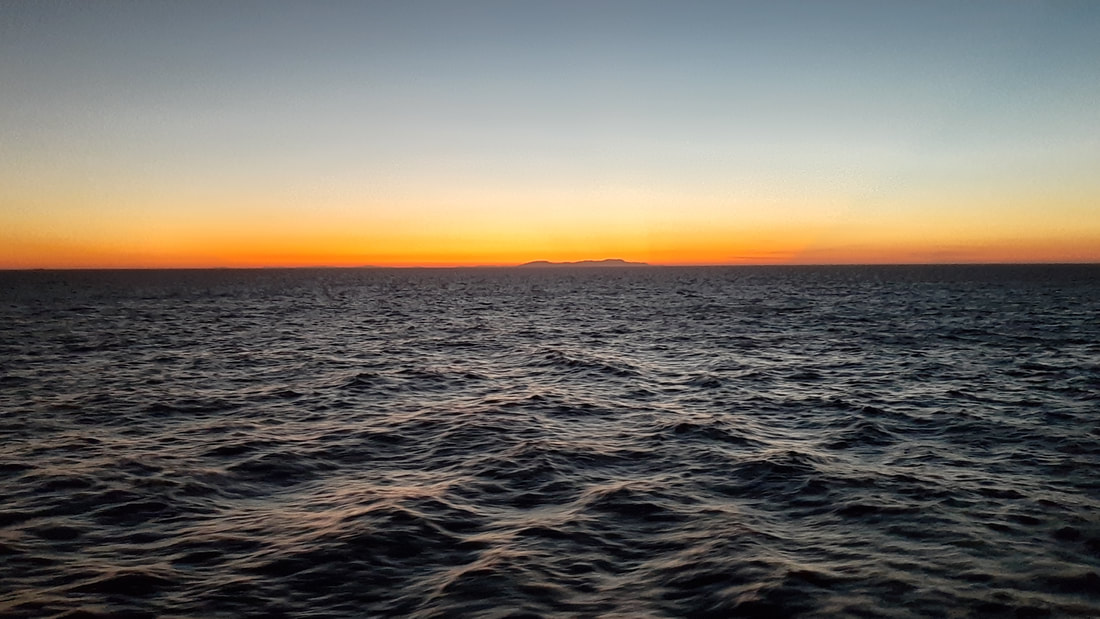 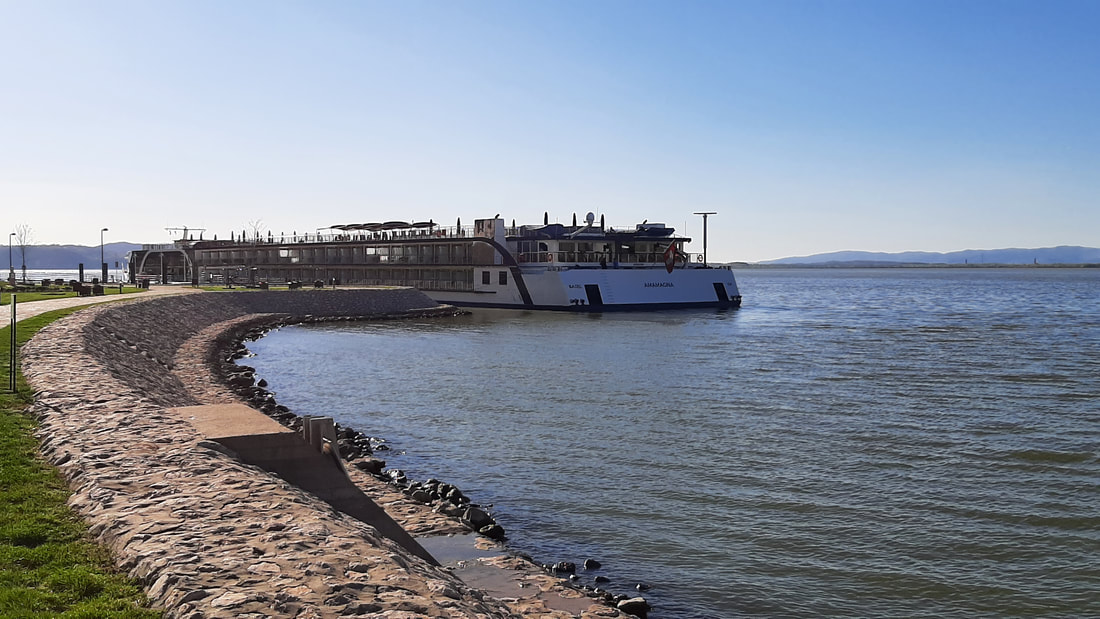 I joined AmaWaterways on the AmaMagna sailing from Bucharest to Budapest in April. AmaMagna is a newer ship and is larger than most river cruise vessels---it holds a maximum of 196 guests. The staterooms are larger and most have full balconies which is something not available on all ships. I admire Sammantha Brown, the travel journalist, and she is the godmother of this ship. Not exactly a reason to choose a river cruise, but I found it a nice coincidence :) I chose this sailing for the itinerary. I had wanted to sail through the Iron Gates since I saw photos of the area probably 20 years ago. I also liked that the ports of call were smaller and places I had not visited before (although I had been to both Bucharest and Budapest before this sailing). This sailing we stopped in Rousse (Bulgaria), Vidin (Bulgaria), Golubac (Serbia), Belgrade (Serbia), Novi Sad (Serbia), Ilok (Croatia) and Mohács (Hungary). As you can see, the AmaMagna is a beautiful ship with many amenities. AmaWaterways includes all of your dining in the price of the cruise and wine, beer and soft drinks are included with lunch and dinner. There is a self serve coffee and tea area available 24/7 and bottled water (in glass) in replenished each day in your stateroom. One shore excursion per port is also included in the price of the cruise. The guides I had in each port were phenomenal! For me, the guides were one of the highlights. They were all local and had many personal experiences to share. I enjoyed each port and I tried different styles of excursions---I did a cooking class in Vidin (we made banitsa in a local home), a bike tour in Novi Sad, wine tasting in Bulgaria and a "hiking" excursion in Belgrade (hiking mostly just meant walking up a lot of stairs to the fort instead of taking the bus). The wellness staff on board also offered activities after the main ones ended---like a run through a city or walking on the sun deck after dinner while we sailed to the next port. There were plenty of options to keep busy if you wanted to be doing something all day....as well as half day tours in many ports in case you wanted some downtime on your own or simply relaxing on board. Even when you are not in port, there is often beautiful scenery to admire as the ship sails. I enjoyed sitting out on the balcony with a cup of tea watching the world go by. This itinerary had more daytime sailing than some other river sailings which I liked---I like to be able to see the scenery as we sail. Please message me if you are interested in a river cruise. The itinerary options grow each year and there are sailings to meet your needs. There are river sailings in Africa, Asia, Egypt, Europe, India and in the U.S and many sailings have a theme---from beer or wine cruises to wildlife viewing and plenty of topics in between.
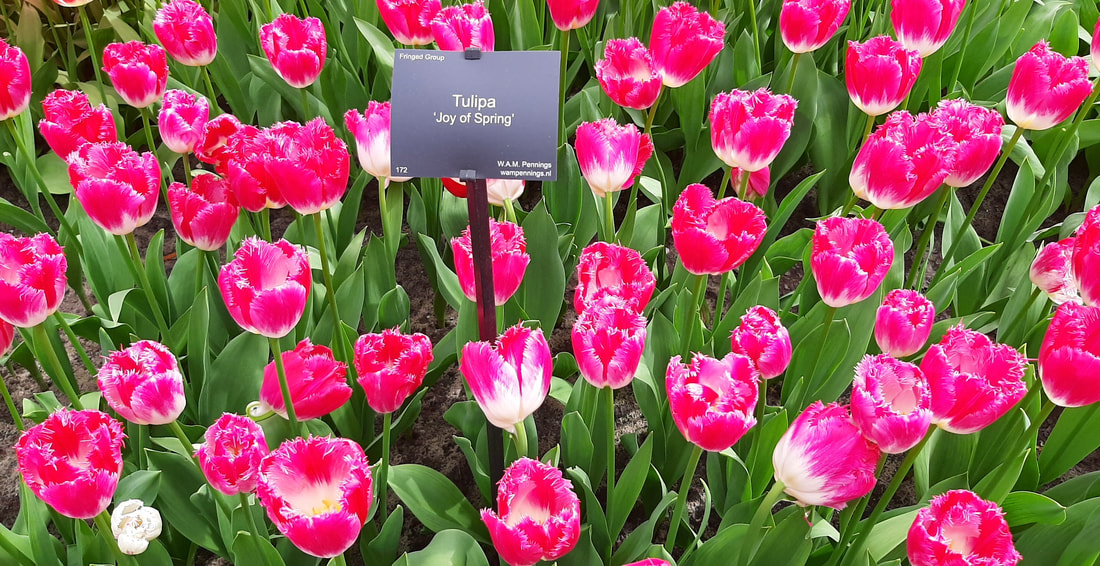 The name of the tulip from Keukenhof pretty much sums it up...I love the joy of Spring and it is a great time to visit Europe. I did have some chilly weather, but I also had some gorgeous days. I visited 9 countries in just over 3 weeks and the pace was a bit fast, but my mission was mostly to check out new hotels, new guides and new destinations to help me plan better trips for you (my clients). This was also my chance to check out Delta One for the first time. I flew first class from Phoenix to JFK and Delta One from JFK to Dublin. The cabins are a bit dated, but the seats in Delta One lie flat and you are given a full size pillow and blanket. I can attest to the comfort of Delta One---I fell asleep much easier and stayed asleep during the relatively quick 6 hour or so flight. I also flew Delta One back from Dublin to Atlanta and had a couple of extra hours to appreciate my comfort. The service and food were obviously better, but one of the parts I liked best was being able to board first and get comfortable without anyone disturbing you to get to their seat. I was also allowed to sleep longer as breakfast doesn't take as long to serve---breakfast was served with less than an hour to go before landing. Overall, I enjoyed the experience and will be flying Delta One again. Flying on a route that uses older vs newer planes keeps the pricing lower---while not inexpensive, I think Delta One was a great value. Being first off the plane is also a nice perk---fewer lines at immigration. My first stop was Dublin---a city I had not visited before. Trinity College Library and the Book of Kells were my main reasons for visiting and I was not disappointed. That library is AMAZING! After my visit, I walked around the city and saw St. Stephens Green, Temple Bar, several of the famous bridges over the river and really enjoyed just wandering. Dublin is a very walkable city. I also did a day trip to the Wicklow Mountains and Kilkenny. It was a nice day trip if you only have a day to explore and can't get to some of the more famous areas of Ireland. Next stop was Berlin. I'd been to Berlin a couple of times before, but it had been about 10 years, so it was time to visit again. I love the feeling of Berlin. It has a smaller town feel than Munich or Frankfurt and I love the architecture and history. I stayed at the beautiful Ritz Carlton Berlin and the location can't be beat. You are walking distance to much of the city and when you need to take public transportation, you are literally right next to Potsdamer Platz and all of the connections you need. The staff at the Ritz Carlton can arrange anything you would like to do and even offer great touches like running groups through the park with some of the staff and personalized check-in for kids (complete with steps so the kids can reach the front desk). Berlin is also a very international city and I had some of the best Syrian food I've ever had here (there are all kinds of great food options in Berlin). Next stop was Bordeaux, France. I used this as a gateway to check out the Cognac region which is still a bit off the beaten path for most travelers. I loved the drive (about 1.5 hours) and once there I enjoyed the smaller town feel. There are many Cognac houses where you can learn about how Cognac is made and have a taste. The area is also great for exploring as the ocean is only an hour or so away and there are many other under the radar destinations a short journey away. I stayed at the beautiful Hotel Chais Monnet which is located in an old distillery. Parts of the property have retained the history and other parts are very modern. They have a Michelin starred restaurant on-site as well as a bar that has more than 200 cognacs on offer. It is a true 5 star property with an indoor/outdoor pool, wonderful French spa and warm and welcoming staff. Amsterdam was next on my itinerary. I have been to the city a couple of times, but never during tulip season. I like flowers as much as the next person, but I never quite understood the appeal of going to Europe with Keukenhof as the main attraction. I made my reservation and sort of figured I'd walk around for an hour or so and be done.....well, Keukenhof proved me wrong :) I was there a bit early for peak bloom, but there were still thousands of tulips (and other flowers) in bloom. There are the outdoor gardens as well as some spectacular displays indoors. I left nearly four hours later pleasantly surprised. Back in the city, Amsterdam is a nice city to explore. There is something for everyone---from canal cruises and art museums, to the red light district and the infamous "coffee shops" offering marijuana. Amsterdam is a great place to fly into and spend a few days and then take advantage of the huge train and plane networks to continue your European journey. For me, that meant a non-stop flight to Bucharest, Romania to join a river cruise (more on that to come....) I will continue on with the rest of the trip in another blog post. Unraveled Travel has exclusive perks to offer, such as complimentary breakfast and a resort credit at both the Ritz Carlton Berlin and Hotel Chais Monnet (along with many other hotels). Please message me when you are ready to start planning your trip!
|
AuthorTracey is the owner of Unraveled Travel and has traveled to every continent (thanks to the recent visit to Antarctica! Archives
July 2024
Categories |
 RSS Feed